The personality traits most linked to resilience are emotional awareness, cognitive flexibility, persistence, and a willingness to ask for help. Resilience is closer to a skill built from these traits plus sleep, relationships, and resources than a fixed gift.
People-pleasers tend to share a cluster of traits: high agreeableness, a fast trigger for guilt, discomfort with conflict, and a habit of reading someone's mood before that person finishes a sentence. None of these traits is a problem by itself. The trouble starts when they stack together into a pattern where one person's needs lose, over and over, without anyone deciding that on purpose.

A toxic parenting style is a repeated pattern of fear, humiliation, control, or emotional neglect used in place of age-appropriate discipline. Adults who recognize the specific behaviors can interrupt the pattern with practice and, where needed, professional support.

Sibling conflict becomes toxic when repeated insults, coercion, threats, or boundary violations replace ordinary disagreement, leaving one sibling feeling they must submit to keep the peace. Family connection does not require accepting abuse.

Supporting someone with a personality disorder means combining real empathy with clear boundaries and encouragement toward qualified treatment. Family members cannot diagnose or treat the condition themselves, but consistent communication and support for professional care make a measurable difference.

A toxic workplace relationship is a repeated pattern of intimidation, sabotage, harassment, or manipulation that interferes with your ability to work, not a single personality clash. The right response depends on the behavior: a direct conversation for a difficult personality, documentation and formal reporting for harassment or retaliation.

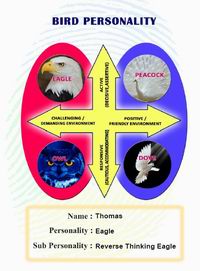
Dove personalities, the steady and cooperative type in the DOPE framework, tend to do well in roles built around trust, consistency, and helping others succeed, such as nursing, teaching, HR, and coordination work. The right fit depends on skills and workplace conditions as much as personality type.

Owl personalities tend to handle stress by collecting information, thinking through risks, and seeking time to reach a sound decision. That approach can help, but prolonged analysis may delay action and increase tension.
Co-parenting with a conflict-prone former partner works better when communication stays brief, written, child-focused, and tied to a clear parenting plan.

A sound career change matches your work preferences with transferable skills, training requirements, financial limits, and evidence from real tasks.
|