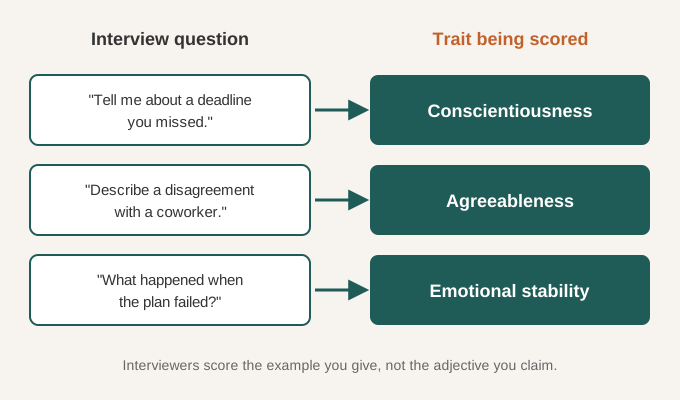
Employers look for conscientiousness, emotional stability, agreeableness, curiosity, and clear communication, and they judge these traits by the examples you give, not by the adjectives you claim. A candidate who says "I'm organized" earns nothing. A candidate who describes how they rebuilt a shared tracking sheet after three missed deadlines earns a check mark in the interviewer's notes.
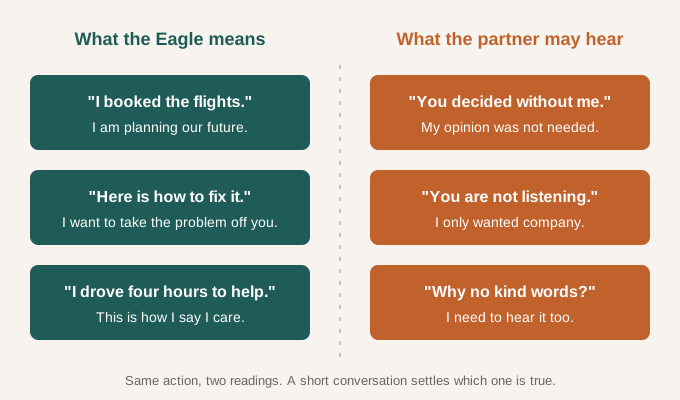
An Eagle in a relationship is decisive, direct, and protective. Expect them to take charge of planning, money, and problem-solving without being asked, to say what they think plainly, and to show love through action more than through talk. Partners usually get stability and honesty, and sometimes get steamrolled.
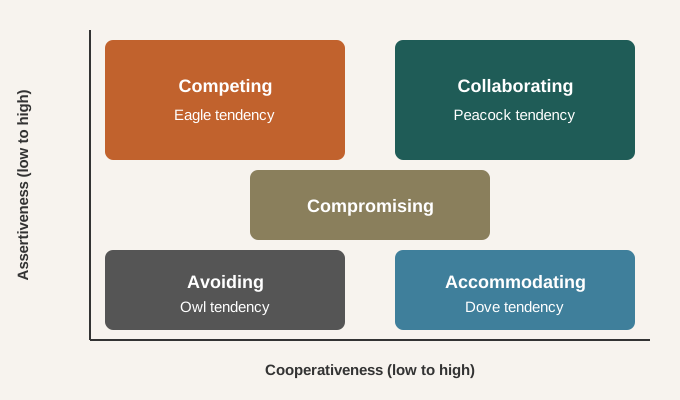
The best way to handle workplace conflict is to match your response to your natural conflict habit and then correct for its weak spot. Eagles tend to push too hard, Doves tend to give in, Owls tend to withdraw into analysis, and Peacocks tend to talk it out before they have listened. Each habit has a specific fix, and most of them take less than five minutes to apply.
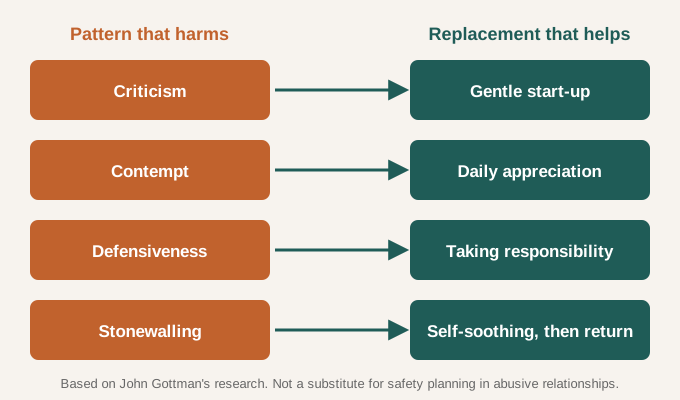
A toxic marriage is one where a repeated pattern of contempt, control, or fear shapes daily life, and where raising the problem gets you punished or dismissed. In long marriages the pattern builds slowly, so most people cannot name the day it started. They only notice that they are more careful, more tired, and less themselves than they were ten years ago.
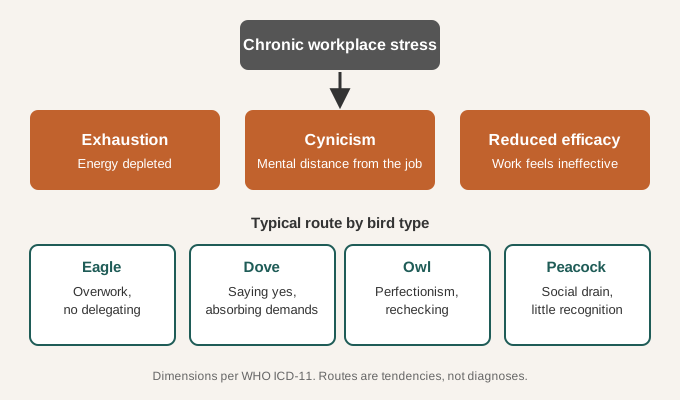
Personality does not cause burnout, but it shapes the route you take to it. Meta-analytic research finds that people with lower emotional stability report more burnout, and the bird types in the DOPE framework each reach exhaustion through a different habit: Eagles overwork, Doves absorb other people's demands, Owls chase perfection, and Peacocks run on social energy until it runs out.
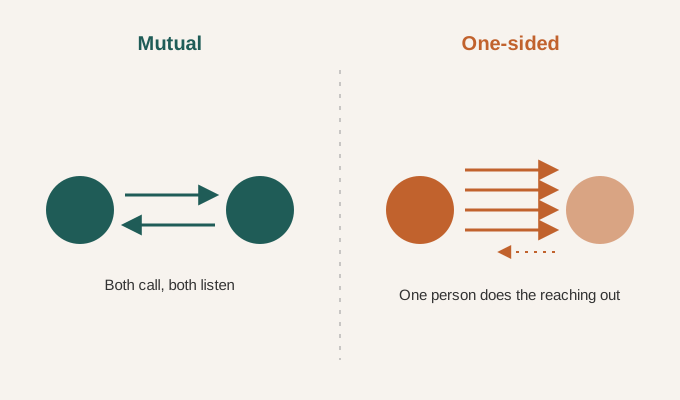
A toxic friendship is a friendship where you regularly leave feeling smaller, anxious, or drained, and where the other person ignores your attempts to fix it. The signs show up in patterns over months, not in a single bad argument, and they look different from the red flags in a romantic relationship because nobody expects a friend to behave this way.

Genetics accounts for roughly 40 to 50 percent of the differences in adult personality, according to twin studies going back to the 1980s. The rest comes from environment, but not the kind most people expect: growing up in the same house with the same parents explains very little, while individual experiences, friendships, and chance events explain much more.
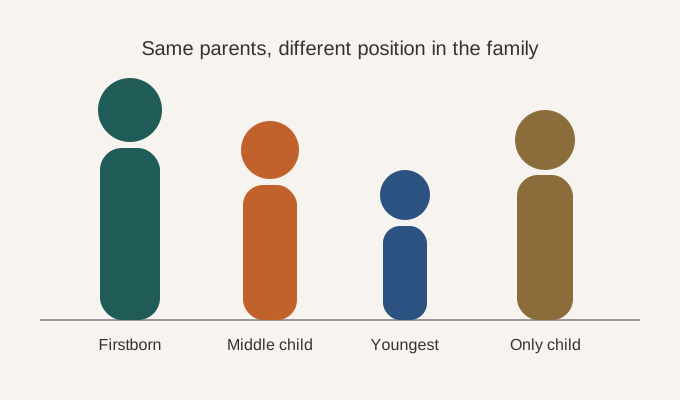
Birth order has a much smaller effect on personality than popular books suggest. Large studies using hundreds of thousands of participants find no meaningful differences between firstborns, middle children, and youngest children on the Big Five traits, though firstborns score slightly higher on intelligence tests and people strongly believe in the stereotypes anyway.
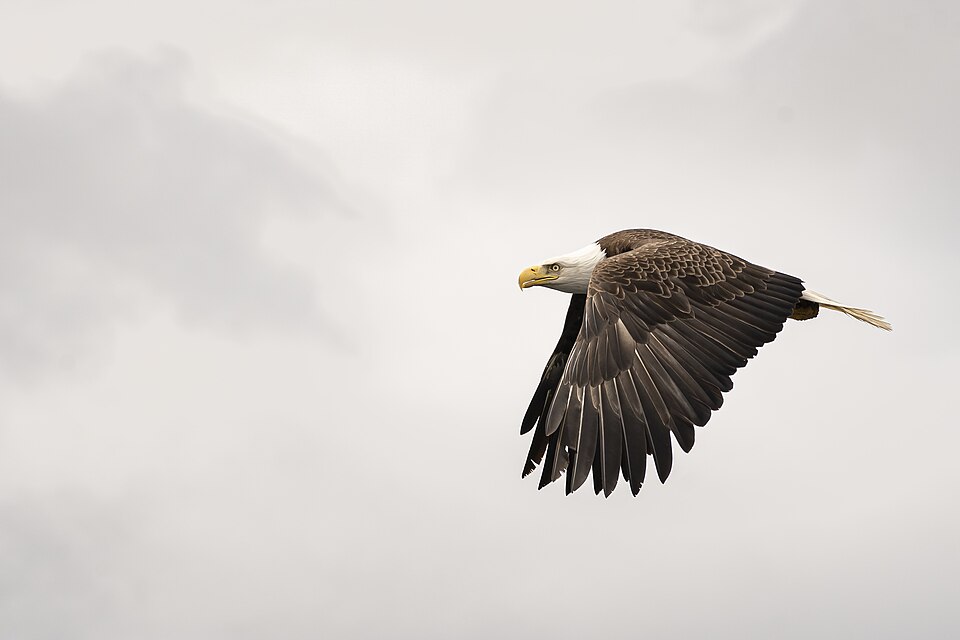
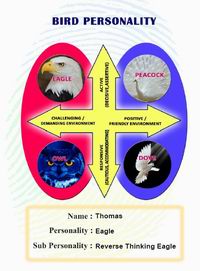
The eagle personality type is the dominant, decisive, results-focused type in the bird personality model, which maps to the "D" in DISC. Public figures often described this way include Margaret Thatcher, Steve Jobs, Michael Jordan, Serena Williams, Jeff Bezos, Winston Churchill, and Lee Kuan Yew. None of them has published a bird personality result, so each placement below comes from documented behavior, not a test score.
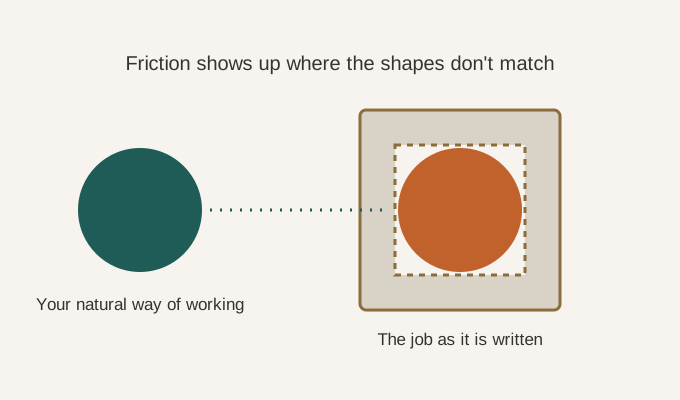
Your personality type is probably a poor fit for your job if the work drains you even when you are good at it, if you spend most of the day acting like someone else, and if the same feedback keeps coming back no matter how hard you adjust. A mismatch shows up as chronic fatigue and a loss of interest long before it shows up as bad performance.
|