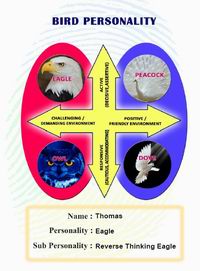
- Bird Personality : Dove
- Bird Personality : Mild Dove
- Bird Personality : Smart Dove
- Bird Personality : Brave Dove
- Bird Personality : Genius Dove
- Bird Personality : Wizard Dove
- Bird Personality : Reverse Thinking Dove
- Bird Personality : Changeable Dove
- Dove Personality in Relationships: How They Show Love
Attachment Style Quiz
Choose the statement in each question that feels most true to you in close relationships.
About the Attachment Style Quiz
Attachment theory suggests that the bonds we formed early in life shape how we approach closeness, trust, and conflict in our adult relationships. This quiz looks at four common attachment styles — Secure, Anxious, Avoidant, and Fearful-Avoidant — based on how you typically think, feel, and behave in close relationships.
Here's what each style tends to look like:
Secure: Comfortable with both intimacy and independence. Secure individuals trust their relationships and communicate needs directly.
Anxious: Craves closeness and reassurance, and tends to worry about being abandoned or not loved enough.
Avoidant: Values independence highly and tends to keep some emotional distance, sometimes withdrawing under stress.
Fearful-Avoidant: Wants closeness but also fears getting hurt, resulting in a push-pull dynamic between seeking and avoiding intimacy.
Your attachment style isn't a life sentence — it's a pattern that developed from your experiences, and it can shift over time, especially with self-awareness and secure relationships. Recognizing your own style, and that of the people close to you, can help explain recurring relationship dynamics and give you a starting point for building healthier, more secure connections.
What are the four attachment styles?
The four attachment styles are Secure, Anxious, Avoidant, and Fearful-Avoidant, describing different patterns of how people approach closeness and trust in relationships.
How many questions are in the Attachment Style Quiz?
The quiz has 8 questions about how you typically think, feel, and behave in close relationships.
Can my attachment style change over time?
Yes. Attachment styles develop from early experiences but can shift over time, especially with self-awareness and secure relationships.