You might be the toxic one in a relationship if you notice a consistent pattern of blaming your partner for your reactions, dismissing their feelings, or needing to win every disagreement rather than resolve it. The honest way to check is not how you feel about yourself, it is how your partner feels after being around you.
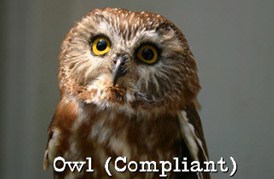
The biggest growth area for Owl personalities is overanalysis, the habit of gathering more information and weighing more angles than a decision actually requires. It shows up as delayed choices, unsent messages, and a quiet exhaustion from thinking through situations that other people would have moved past hours or days earlier.

Controlling parenting usually shows up as constant correction, decisions made for the child instead of with them, and love that feels conditional on obedience. If your child rarely gets to choose, argue, or fail on their own terms, the pattern is probably tighter than you think.

Personality shapes conflict mainly through pace and priority: some people want the disagreement resolved immediately, others need distance before they can talk, and some will avoid it altogether if avoiding feels safer than confronting it. None of these reactions is wrong on its own, but mismatched styles are where most relationship conflict actually gets stuck.

Personality traits shape stress coping mainly through two levers: how much a person needs control over the outcome, and how much they process emotion internally versus out loud. High-control personalities tend to cope by planning and fixing, while more reflective or anxious types often cope by ruminating or seeking reassurance first.
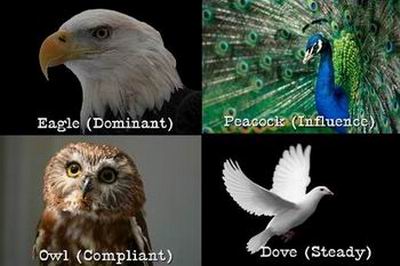
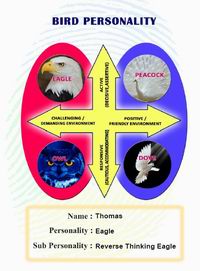
Your daily habits usually point to one of four bird-based personality patterns: Eagle if you move fast and decide quickly, Owl if you plan everything before acting, Dove if your day revolves around routine and other people, or Peacock if your habits shift with whoever and whatever is around you.

You're likely an Eagle personality if you naturally take charge in group situations, make decisions faster than most people around you, and get more energized by a challenge than intimidated by it. The clearest sign is that people tend to look to you first when a decision needs to get made under pressure.

Parenting a big, bold child works best when you stop trying to shrink the personality and start giving it structured room to move. Bold kids need firm limits, but the limits have to leave space for their intensity, or you'll spend years in a power struggle that nobody wins.

Yes, a free online personality test can absolutely help you understand your work style, as long as you treat the result as a starting point for reflection rather than a verdict on who you are. Tools like the 16Personalities (Myers-Briggs-style) test, the Big Five assessments, or the DISC-based free versions can highlight real patterns in how you communicate, make decisions, and handle stress at work. They just can't tell you the whole story, and they're not a substitute for actual feedback from coworkers or a manager.
You're not imagining it. The person you were at 22 — impulsive, staying out until 3am on a Tuesday, moving across the country on a whim and calling it a plan — that person is genuinely different from who you are now. And the changes are bigger than just "I grew up."
|