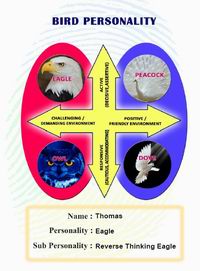
- Bird Personality : Dove
- Bird Personality : Mild Dove
- Bird Personality : Smart Dove
- Bird Personality : Brave Dove
- Bird Personality : Genius Dove
- Bird Personality : Wizard Dove
- Bird Personality : Reverse Thinking Dove
- Bird Personality : Changeable Dove
- Dove Personality in Relationships: How They Show Love
Introvert vs Extrovert Test
About the Introvert vs Extrovert Test
Introversion and extroversion sit at the core of many personality frameworks, describing where you naturally draw your energy from: the outer world of people and activity, or the inner world of reflection and solitude. This test looks at your everyday preferences — how you recharge, how you connect with others, and how you handle social situations — to place you somewhere on the introvert-extrovert spectrum.
Introvert, Extrovert, or Ambivert?
Extroverts tend to feel energized by social interaction. They often think out loud, enjoy being around people, and seek out new social experiences.
Introverts tend to feel drained by too much social stimulation and recharge through quiet, solitary time or deep one-on-one conversations.
Ambiverts sit in the middle, drawing energy from both social time and solitude depending on the context and their mood.
It's worth noting that introversion and extroversion aren't about shyness or confidence — they're about where you get your energy from, not how skilled you are socially. Plenty of introverts are confident and sociable; they simply need quiet time afterward to recharge.
Why This Distinction Matters
Understanding whether you lean introverted or extroverted can help you make better decisions about your work environment, social commitments, and how you recover from stress. Extroverts might thrive in collaborative, people-facing roles, while introverts often do their best thinking with focused, independent work and fewer interruptions. Neither style is better than the other — they're just different ways of engaging with the world.
How to Use Your Results
If your result leans extroverted, make sure you're building enough social interaction into your week to keep your energy up. If it leans introverted, protect blocks of quiet, uninterrupted time, especially after socially demanding days. If you landed as an ambivert, pay attention to which situations leave you feeling energized versus drained, and use that awareness to balance your schedule.
What's the difference between an introvert and an extrovert?
Extroverts tend to gain energy from social interaction, while introverts tend to recharge through quiet, solitary time or deep one-on-one connection. It's about where you draw energy from, not confidence or shyness.
What is an ambivert?
An ambivert draws energy from both social time and solitude, depending on the context and their mood, sitting between the introvert and extrovert ends of the spectrum.
How many questions are in the test?
The test has 10 questions about your everyday social preferences and energy levels.