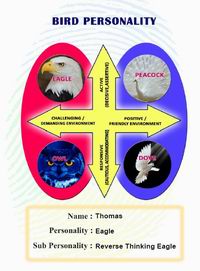
Supporting someone with a personality disorder means combining real empathy with clear boundaries and encouragement toward qualified treatment. Family members cannot diagnose or treat the condition themselves, but consistent communication and support for professional care make a measurable difference.

A toxic workplace relationship is a repeated pattern of intimidation, sabotage, harassment, or manipulation that interferes with your ability to work, not a single personality clash. The right response depends on the behavior: a direct conversation for a difficult personality, documentation and formal reporting for harassment or retaliation.
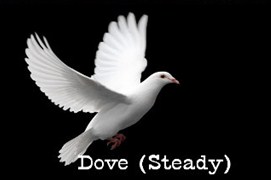
Dove personalities, the steady and cooperative type in the DOPE framework, tend to do well in roles built around trust, consistency, and helping others succeed, such as nursing, teaching, HR, and coordination work. The right fit depends on skills and workplace conditions as much as personality type.
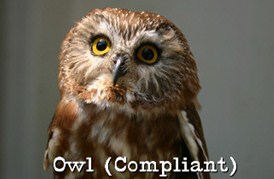
Owl personalities tend to handle stress by collecting information, thinking through risks, and seeking time to reach a sound decision. That approach can help, but prolonged analysis may delay action and increase tension.
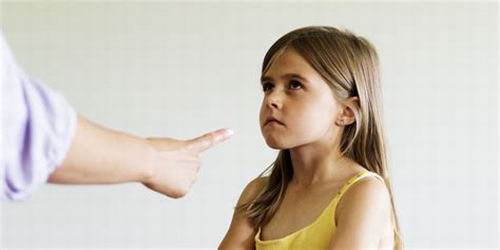
Co-parenting with a conflict-prone former partner works better when communication stays brief, written, child-focused, and tied to a clear parenting plan.

A sound career change matches your work preferences with transferable skills, training requirements, financial limits, and evidence from real tasks.
A child with a dove personality may value harmony, cooperation, and reassurance. Parents can build confidence by teaching the child to express needs without making kindness a reason to stay silent.
The best career fit depends on more than a personality label. Work demands, skills, values, income needs, and the kind of environment you can sustain matter just as much.
Personality disorders are long-term patterns of thinking, feeling, and behaving that cause distress or problems in relationships, work, or daily life. A diagnosis requires an assessment by a qualified mental health professional.

A child's personality describes their usual patterns of energy, attention, emotion, and social behavior. It can guide parenting choices, but it should never become a fixed label.
|