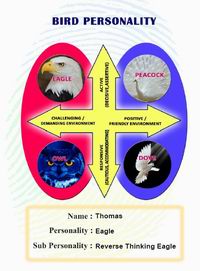
- Bird Personality : Dove
- Bird Personality : Mild Dove
- Bird Personality : Smart Dove
- Bird Personality : Brave Dove
- Bird Personality : Genius Dove
- Bird Personality : Wizard Dove
- Bird Personality : Reverse Thinking Dove
- Bird Personality : Changeable Dove
- Dove Personality in Relationships: How They Show Love
Love Language Quiz
For each statement, pick the option that feels most true to you.
About the Love Language Quiz
The idea of the "five love languages" — Words of Affirmation, Acts of Service, Receiving Gifts, Quality Time, and Physical Touch — describes the different ways people prefer to give and receive love. Understanding your own love language, and the love language of the people close to you, can make a real difference in how supported and understood you feel in a relationship.
The Five Love Languages Explained
Words of Affirmation: You feel most loved through spoken or written appreciation — compliments, encouragement, and hearing "I love you."
Acts of Service: Actions speak louder than words for you. Someone helping with a task or easing your load feels like a genuine expression of love.
Receiving Gifts: Thoughtful gifts, big or small, feel like tangible proof that someone was thinking of you.
Quality Time: Undivided attention and shared experiences mean more to you than anything else.
Physical Touch: Hugs, holding hands, and physical closeness are how you feel most connected.
Why Knowing Your Love Language Matters
Many relationship misunderstandings come from two people expressing love in different languages without realizing it. Someone whose language is Acts of Service might feel unloved even while their partner showers them with gifts, simply because gifts aren't the language that speaks to them. Learning your own love language — and asking the people you care about theirs — can help you both give and receive love in ways that actually land.
How to Use Your Results
Once you know your primary love language, try being specific with the people close to you about what makes you feel loved, and ask them the same. Small, consistent gestures in someone's preferred language tend to matter more than occasional grand ones in a language they don't resonate with as strongly.
What are the five love languages?
The five love languages are Words of Affirmation, Acts of Service, Receiving Gifts, Quality Time, and Physical Touch — five different ways people prefer to give and receive love.
How many questions are in the Love Language Quiz?
The quiz has 10 questions, each asking you to pick the response that best reflects how you feel most loved.
Can I have more than one love language?
Yes. Many people have a primary love language with one or two close secondary languages, and the quiz will show a mix if your answers are close.