How Owl Personalities Handle Stress and Decision-Making
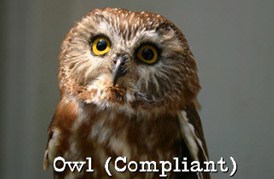
Owl personalities tend to handle stress by collecting information, thinking through risks, and seeking time to reach a sound decision. That approach can help, but prolonged analysis may delay action and increase tension.
How do owl personalities respond to stress?
In the bird-personality framework, owl traits describe a reflective, analytical style. Under pressure, an owl personality may withdraw briefly, review the facts, and look for the most reliable explanation before responding. Quiet concentration can restore a sense of control, although other people may mistake it for avoidance.
Why can decision-making become difficult?
Careful thinkers often notice more variables than they can resolve at once. They may compare several outcomes, search for missing information, or worry about making a preventable mistake. The process becomes unhelpful when a decision has enough information already but the person keeps researching to reduce uncertainty to zero.
What stress signs should an owl personality watch for?
- Repeatedly revisiting a choice after the practical evidence is clear.
- Delaying a conversation because the perfect wording has not been found.
- Spending more time researching than acting on a manageable problem.
- Becoming unusually critical of minor errors made by themselves or others.
These behaviors can appear during ordinary pressure and do not diagnose an anxiety disorder. Persistent sleep problems, panic, low mood, or impairment at work or home warrant support from a qualified mental health professional.
What decision process works better under pressure?
- Define the decision. Write the specific choice in one sentence and identify the deadline.
- Set an information limit. Choose two or three trustworthy sources or criteria instead of searching without an endpoint.
- Separate reversible and irreversible choices. Make reversible decisions faster; reserve deeper review for choices that are difficult to change.
- Record the next action. A decision is incomplete until it identifies who will do what and by when.
How can owl personalities manage stress?
Short planning periods, written priorities, and scheduled breaks can prevent analysis from filling the entire day. Explaining to colleagues or family members that you need a defined amount of time to think also prevents silence from being interpreted as indifference. Physical movement, regular sleep, and direct conversations help the nervous system recover while the mind is still working through a problem.
When should an owl personality ask for help?
Ask for help when worry continues after a decision is made, when avoidance affects responsibilities, or when stress changes sleep, appetite, or relationships for several weeks. A therapist can teach skills for tolerating uncertainty without abandoning the careful thinking that is useful to you.
Owl personality is a descriptive framework, not a clinical diagnosis. People can use different styles in different settings, and no personality label should replace an individual assessment.
Frequently asked questions
Are owl personalities naturally indecisive?
No. Owl personalities often make careful decisions after reviewing details. Indecision appears when research continues without a clear criterion, deadline, or next action.
How can an owl personality make decisions faster?
Define the decision, set an information deadline, and decide which outcomes are acceptable before researching. This preserves careful analysis while preventing an endless search for certainty.
Why does an owl personality need time alone under stress?
Time alone can reduce stimulation and provide space to organize thoughts. A short explanation, such as "I need 30 minutes to think, then I will reply," helps others understand that the pause is intentional.
Can an owl personality work well in a fast-paced job?
Yes. Fast-paced work can suit an owl personality when priorities, decision rights, and escalation rules are clear. Practice with time limits helps turn analysis into timely action.
Is owl personality a psychological diagnosis?
No. Owl is a nonclinical framework for discussing behavior preferences. Ongoing anxiety, depression, or impairment requires assessment by a qualified mental health professional.
- Bird Personality : Brave Eagle
- Unveiling Your Innate Personality with True Colors Personality Test
- Cognitive Behavioral Therapy for Better Mental Health
- Fingerprint Patterns
- Eating Disorders : Symptoms, Types, Causes and Treatments
- 5 Ways to be a Better Empathic Listener
- Post-traumatic Stress Disorder (PTSD) Symptoms
- Bird Personality : Dove
- Bird Personality : Mild Dove
- Bird Personality : Smart Dove
- Bird Personality : Brave Dove
- Bird Personality : Genius Dove
- Bird Personality : Wizard Dove
- Bird Personality : Reverse Thinking Dove
- Bird Personality : Changeable Dove
- Dove Personality in Relationships: How They Show Love