How to Bond With a Child Whose Personality Is Different From Yours

Bonding with a child whose personality differs from yours starts with meeting their temperament on its own terms rather than expecting them to mirror how you naturally connect. A quiet parent raising an intense, expressive child, or the reverse, usually needs different rituals and pacing than what came naturally in their own childhood.
Why Personality Differences Feel Harder to Bridge Than Advice Suggests
Most parenting advice assumes your child will respond to affection the way you do, and that assumption breaks down fast once you are raising someone wired differently. A parent who bonds through nonstop conversation might find a quiet, observant child pulling away when every car ride turns into an interview. A high-energy parent might unintentionally overwhelm a sensitive child who needs pauses, not enthusiasm. Neither side is doing anything wrong — connection styles are learned early, often from your own family, and they rarely transfer intact to a kid who processes the world on a different frequency.
Notice Temperament Before You Try to Change the Relationship
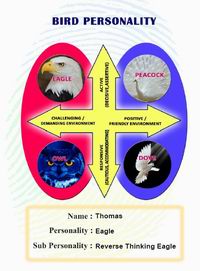
Before adjusting how you bond, spend a week simply watching how your child recharges, reacts to surprise, and signals that they want company. A child who goes quiet after school may need twenty minutes alone before conversation lands well, while one who talks the moment you appear may be asking for immediate engagement. Frameworks like DOPE or the Big Five can help you name these tendencies without turning them into a verdict on the child's character. The goal is description, not diagnosis.
Match the Ritual to the Child, Not the Other Way Around
Bonding rituals that work for one temperament can fall flat for another, and switching formats matters more than trying harder. An expressive child might bond over shared storytelling or physical play. A reserved child might open up more during a repetitive, low-pressure task like folding laundry or walking the dog. Side-by-side activities remove the pressure of constant eye contact and instant response, which is often where a mismatched parent-child pair gets stuck.
When Your Energy Levels Genuinely Clash
Sometimes the mismatch is not about introversion or extroversion but about pace. A methodical parent raising an impulsive child, or a fast-moving parent raising a cautious one, can end up narrating the relationship as constant friction. It helps to build in a small transition step: a countdown before switching activities, a warning before a decision needs to be made, or a slower morning routine that does not assume both of you wake up ready to move at the same speed.
A Few Combinations Worth Naming Directly
A quiet, introspective parent raising a loud, physical child often reaches for silence as the reward, when the child is actually asking to be chased around the yard or wrestled with on the floor. Try scheduling the noisy connection first, then a calm activity afterward, rather than skipping straight to what feels restful to you. A high-energy, talkative parent raising a reserved child faces the opposite trap: filling every silence rather than letting one sit. Reserved kids often say the most important thing several minutes into a quiet activity, not at the start of a conversation. An anxious or cautious parent raising an adventurous, risk-tolerant child has to resist narrating every danger out loud, since constant warnings can read as disapproval of the child's natural curiosity rather than care for their safety.
Watch for the Difference Between “Different” and “Difficult”
It is easy to start describing a child as difficult simply because their personality requires more translation from you. That label sticks, and kids sense it. A quiet child is not automatically anxious, and a loud child is not automatically undisciplined. If you notice yourself repeatedly comparing your child unfavorably to yourself or a sibling, that is usually a sign to adjust your expectations rather than the child.
Take one recent moment where you felt distant from your child and ask what they actually needed versus what you offered. The honest answer is sometimes that you offered your own comfort strategy, not theirs. This is not a science with a clean formula, and a self-reflection tool like an attachment style quiz only goes so far in describing a real, particular kid in front of you. Personality frameworks help you notice patterns; they do not replace paying attention to the actual child.
This article is meant for general reflection, not as a substitute for guidance from a pediatrician, family therapist, or child psychologist if bonding difficulties persist or come with signs of distress.
Frequently Asked Questions
Can a parent and child really have clashing personalities?
Yes. Temperament is partly innate, so a parent and child can differ meaningfully in energy, sensitivity, and social needs. This does not predict a poor relationship, but it usually means the bonding approach needs adjusting rather than assuming it will happen on its own.
Is it normal to feel closer to one child than another?
It is common, especially when one child's temperament matches your own more closely. Naming the pattern honestly, without guilt, is usually more useful than pretending every relationship feels identical.
How do I know if my child needs space or reassurance?
Watch what happens after you offer each. If a child relaxes with quiet company nearby, they likely wanted space with a sense of availability. If they seek more contact after being alone, they probably needed connection sooner.
When should a parent-child personality mismatch involve outside help?
If the relationship feels stuck despite consistent effort, or if a child shows ongoing withdrawal or behavior changes at home or school, a family therapist or child psychologist can help identify what is temperament and what may need more support.
Can bonding styles change as a child grows?
Yes, often at each developmental stage. What works with a toddler rarely works the same way with a ten-year-old, so revisiting your approach periodically is expected, not a sign that something is wrong.
- Borderline Personality Disorder
- Owl Personality Growth Areas: Overcoming Overanalysis
- How to Choose a Career?
- The Benefits of Reprogramming Your Mind with Timeline Therapy
- Understanding Neuro-Linguistic Programming (NLP)
- 3 Ways to Change Yourself: Embrace Growth and Transformation
- Tips to Improve Mood and Mental Health