Peacock Personality in Relationships: What Makes Them Fall in Love
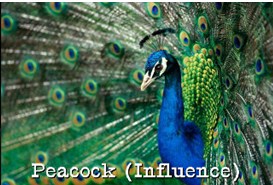
A Peacock personality typically falls in love through energy and attention rather than slow, careful evaluation. They are drawn to people who make them feel seen and who can match their enthusiasm, and they tend to know fairly quickly whether the spark is there.
What actually makes a Peacock personality fall for someone?
Peacocks are drawn less to a checklist of qualities and more to a feeling of aliveness in someone's presence. Humor matters a lot here, someone who can keep up with a Peacock's playful energy has an advantage that a more serious, reserved approach rarely matches. Attention matters too, not flattery exactly, but a partner who is genuinely curious about them and responds visibly to what they share.
What surprises people is how fast this can happen. A Peacock might feel strongly drawn to someone within a few dates, and that speed is not immaturity, it is closer to how this type actually processes connection. The bigger question is whether the feeling holds up once the initial excitement settles, which is where things get more complicated.
How do Peacock personalities express love once they are in a relationship?
Expect affection to be visible and vocal. Peacocks tend to show love through compliments, physical affection, plans, and a genuine enthusiasm about showing their partner off to friends and family. Quiet, understated gestures are not usually their default language, and a partner who needs love expressed subtly may occasionally feel like the relationship is more performance than substance, even when the Peacock's feelings are completely sincere.
They also tend to want reciprocated enthusiasm. A partner who receives affection well but rarely initiates it can leave a Peacock feeling like the emotional labor is one-sided, even if that was never the intention.
What does a Peacock personality actually need from a partner?
Three things come up consistently: attention, appreciation expressed out loud, and enough novelty to keep the relationship from feeling routine. A Peacock who feels ignored, even briefly, will often notice it faster and more acutely than other types would in the same situation.
They also need a partner who does not take their sociability personally. A Peacock who lights up a room full of strangers is not doing it instead of loving their partner, it is simply how this temperament engages with the world, and a jealous or possessive response to that tends to create more friction than the behavior itself ever would.
What are the real challenges in a long-term relationship with a Peacock personality?
The initial spark is rarely the hard part. Sustaining the relationship once the novelty fades is where Peacocks and their partners tend to run into trouble. Boredom can register for this type as a warning sign rather than a normal phase, and without deliberate effort to keep things interesting, some Peacocks start looking for that spark elsewhere, not necessarily out of disloyalty but out of genuine discomfort with routine.
Follow-through can also be uneven. Big romantic gestures come easily, consistent small daily habits sometimes do not, and a partner who values reliability over spontaneity may need to have an honest conversation about which one actually matters more day to day.
I do not think this makes Peacocks worse partners, just differently wired ones. A relationship with a Peacock tends to reward partners who bring their own steadiness to the table rather than trying to match the Peacock's intensity all the time, and that balance, when it works, tends to work very well.
How do you know if a Peacock personality is genuinely into you?
Look past the charm, which this type extends fairly generously to most people, and look at consistency instead. Does the attention persist in quieter, one-on-one moments, not just in groups where an audience is present? Does the enthusiasm stay steady over weeks, not just during the first few exciting dates? Those two questions separate a Peacock who is genuinely falling for someone from one who is simply enjoying the moment, which is a real distinction worth paying attention to before assuming too much too fast.
Frequently Asked Questions
Do Peacock personalities fall in love faster than other types?
Often, yes, at least in terms of feeling an initial strong pull. Whether that translates into lasting commitment depends more on how the relationship is maintained after the early excitement fades.
Are Peacock personalities more likely to get bored in relationships?
They can be more sensitive to routine than some other types, since novelty and social energy matter to them. This does not mean every Peacock gets bored easily, but it is a pattern worth being aware of in long-term relationships.
What is the best match for a Peacock personality?
There is no single perfect match, but partners who bring steadiness and genuine appreciation, without needing constant reassurance themselves, often balance a Peacock's energy well. Compatibility depends heavily on individual factors beyond type alone.
Do Peacocks struggle with commitment?
Not inherently, though the need for novelty can sometimes be mistaken for commitment issues. Many Peacocks commit deeply once they feel secure and appreciated in a relationship.
How can I keep a Peacock personality interested long term?
Vary your time together, keep expressing appreciation out loud rather than assuming it is understood, and avoid falling into a routine that never changes. Consistent small novelty tends to matter more to this type than grand occasional gestures.
This article offers a general framework for self-reflection based on the Bird/DOPE personality model and is not a clinical or diagnostic tool. If you are curious where you or your partner fall on this spectrum, try the Bird Personality Test or the Love Language Quiz for more insight into how you each give and receive affection.
- Prioritizing Self-Care: Why Taking Care of Yourself is Essential for Supporting Others
- Bird Personality : Eagle
- Building a Rewarding Career : A Comprehensive Guide
- Personality Traits Common in People-Pleasers
- Cognitive Behavioral Therapy for Better Mental Health
- Bird Personality : Dove
- Understanding Interpersonal Intelligence
- Bird Personality : Dove
- Bird Personality : Mild Dove
- Bird Personality : Smart Dove
- Bird Personality : Brave Dove
- Bird Personality : Genius Dove
- Bird Personality : Wizard Dove
- Bird Personality : Reverse Thinking Dove
- Bird Personality : Changeable Dove
- Dove Personality in Relationships: How They Show Love