Emotional Regulation Tips for Each Personality Type
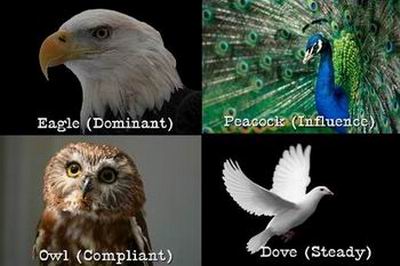
Emotional regulation works differently depending on your personality type because each type gets flooded by different triggers and calms down through different channels. An Eagle typically needs to slow down and process before reacting, while a Dove often needs permission to actually voice the frustration instead of swallowing it.
Why does emotional regulation look so different across personality types?
Regulation is not one skill applied the same way to everyone. It is closer to a set of settings that get tuned by temperament. Some people regulate by talking it out immediately. Others regulate by going quiet and thinking it through alone first, and forcing them to talk right away actually makes things worse, not better. Using the Bird/DOPE framework as a rough map, here is what tends to work for each type, with the obvious caveat that nobody is a pure type and most people will recognize themselves in more than one section.
How can Eagle personalities manage strong emotions more effectively?
Eagles tend to run hot and fast under pressure, moving straight from frustration to action, sometimes before fully processing what triggered it. The tip that helps most is building in a deliberate pause, even ten seconds, before responding to conflict or criticism. Eagles often mistake speed for strength, but a fast reaction under stress is rarely the same as a good one.
Physical movement helps more for this type than sitting still and journaling. A short walk or even standing up and pacing during a tense phone call gives the Eagle's high energy somewhere to go instead of straight into the next sentence they say.
What emotional regulation strategies work best for Peacock personalities?
Peacocks regulate best through connection, not isolation. Sending a Peacock away to “calm down alone” often backfires, because the isolation itself becomes another source of distress. What works better is staying present but lowering the intensity, letting them talk through the feeling with someone rather than suppressing it.
The harder skill for Peacocks is tolerating a feeling without immediately narrating it to everyone nearby. A useful habit is naming the emotion privately first, even just in a note on your phone, before turning it into a group conversation. That small delay often changes how the feeling gets processed.
How do Owl personalities regulate emotions differently from other types?
Owls tend to intellectualize feelings before they let themselves feel them, which can look like composure from the outside while a lot is happening underneath. The risk for this type is not outward outbursts, it is quiet emotional buildup that eventually surfaces as withdrawal or a sudden, disproportionate reaction to something small.
Scheduling deliberate time to check in with feelings, not just problems, helps here. An Owl who only processes emotions as puzzles to solve will often miss the simpler step of just sitting with how something felt, without immediately trying to fix or explain it.
What helps Dove personalities regulate emotions without shutting down?
Doves are typically the most likely of the four types to suppress frustration in order to keep the peace, which works in the short term and accumulates in the long term. The tip that matters most for this type is practicing low-stakes disagreement on purpose, so that voicing frustration does not feel like an emergency the first time it happens on something that actually matters.
A Dove who never practices conflict in small moments tends to either explode rarely and dramatically, or absorb resentment quietly for years. Neither outcome serves the relationship or the Dove's own wellbeing, and starting small, on genuinely minor disagreements, builds the muscle before it is needed for something bigger.
How can you tell which regulation approach actually fits you?
Think back to your last three emotionally charged moments. Did you want to talk it through right away, or did talking right away make things worse? Did being alone help you reset, or did it just let the feeling sit and grow? Your honest answer to those two questions probably tells you more about your regulation style than any single label does, and it is worth trusting that pattern over whichever type description sounds the most flattering.
I will admit these frameworks are simplifications. Real emotional regulation depends on context, stress levels, sleep, and history just as much as temperament, and no four-type or five-type model captures a full person. But the categories are still useful as a starting point, especially for people who have tried the same coping strategy for years without asking whether it actually fits how they are wired.
Frequently Asked Questions
Can someone have traits from more than one personality type when it comes to emotions?
Yes, most people blend traits from at least two types, and which one is dominant can shift depending on stress level, environment, or who they are with. Treat these categories as tendencies rather than fixed rules.
Is emotional regulation the same thing as suppressing emotions?
No. Regulation means processing and expressing a feeling in a way that does not harm you or others, while suppression means pushing it down without resolving it. Suppression often looks calm short term but tends to resurface later, sometimes as physical tension or an outsized reaction to something small.
Why do some emotional regulation techniques work for one person and not another?
Because techniques interact with temperament. A method built around talking things out immediately can genuinely help an expressive type and genuinely overwhelm someone who needs quiet processing time first, so the same advice can produce opposite results depending on who receives it.
How long does it take to build better emotional regulation habits?
It varies, but most people notice small shifts within a few weeks of consistent practice, especially with something specific like the pause technique or naming feelings before sharing them. Deeper, more automatic change usually takes months, particularly under high stress.
Should I see a therapist if I feel like I cannot regulate my emotions at all?
If emotional swings are affecting your relationships, work, or daily functioning in a significant way, a licensed therapist can help identify what is driving it, whether that is temperament, anxiety, trauma, or something else entirely.
This article is meant as general self-reflection based on common personality patterns, not a clinical assessment. If emotional regulation is a significant struggle in your life, a licensed therapist can offer more tailored support. To see which type you lean toward, try the Bird Personality Test or the Emotional Intelligence Test.
- 5 Ways to be a Better Empathic Listener
- 8 Ways to Be More Optimistic
- Personality Disorders Explained: A Beginner's Guide
- How To Make a Difference in the World
- Nature vs Nurture: How Much of Your Personality Is Genetic?
- How to Be More Altruistic: A Comprehensive Guide to Helping Others
- Friendship Tips : How to Attract New Friends
- Bird Personality : Dove
- Bird Personality : Mild Dove
- Bird Personality : Smart Dove
- Bird Personality : Brave Dove
- Bird Personality : Genius Dove
- Bird Personality : Wizard Dove
- Bird Personality : Reverse Thinking Dove
- Bird Personality : Changeable Dove
- Dove Personality in Relationships: How They Show Love