Career Change Guide: Matching Your Personality to a New Path

A sound career change matches your work preferences with transferable skills, training requirements, financial limits, and evidence from real tasks. Personality can help you choose a direction, but it should not make the decision alone.
What should you assess before changing careers?
Write down tasks that give you energy, tasks that drain you, and conditions you need to work well. Include schedule, contact with customers, decision-making, noise, travel, and degree of independence. This list is more useful than choosing a role because its title sounds compatible.
How do you connect personality to transferable skills?
A detail-oriented person may transfer checking, documentation, and risk spotting into compliance or operations. Someone who prefers frequent interaction may transfer listening, explaining, and relationship building into recruiting or customer success. Describe the behavior and result, then match it to a target job's requirements.
How can you test a new direction?
Interview two people in the field, complete a small project, and compare several job descriptions. A short course or volunteer assignment can expose the pace and routine of the work. These tests cost less than enrolling in a long program before checking whether the daily work suits you.
How do you manage the financial risk?
Calculate essential monthly costs, training fees, lost income, and the time needed to reach employability. Consider an internal transfer, part-time study, or freelance work before resigning. A written budget turns a vague hope into a sequence of decisions.
Frequently asked questions
Can I change careers in my forties or fifties?
Yes. Your experience can transfer to a new field, although you may need targeted training or a temporary pay adjustment. Focus your application on relevant results rather than age or a complete career reset.
How many personality tests should I take?
One well-understood assessment is enough to generate questions. Taking multiple tests rarely compensates for speaking with people in the field and trying real tasks.
Should I follow my passion?
Interest helps you persist, but a viable choice also needs useful skills, acceptable working conditions, and a realistic way to earn income. Test the activity before treating it as a career plan.
How long does a career change take?
The timeline depends on the role, training, experience, and local hiring market. A short transition may take months, while regulated professions can require several years of study.
- Post-traumatic Stress Disorder (PTSD) Symptoms
- Understanding Stonewalling in Relationships
- Dove Personality Career Matches: Best Jobs for Supportive Types
- What Kind of Bird Matches Your Daily Habits?
- 4 Ways to Better Your Health by Laughing
- The Devastating Impact of Gaslighting on Personality
- How Culture Shapes the Way We Express Personality
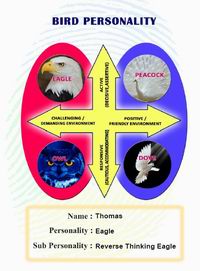
- Bird Personality : Dove
- Bird Personality : Mild Dove
- Bird Personality : Smart Dove
- Bird Personality : Brave Dove
- Bird Personality : Genius Dove
- Bird Personality : Wizard Dove
- Bird Personality : Reverse Thinking Dove
- Bird Personality : Changeable Dove
- Dove Personality in Relationships: How They Show Love