Personality Traits That Help You Negotiate a Higher Salary

The personality traits that support salary negotiation include preparation, calm assertiveness, curiosity, listening, and emotional steadiness. None is reserved for naturally dominant people. Negotiation is learnable: gather evidence, state a clear request, ask thoughtful questions, and evaluate the complete compensation package.
Preparation is more valuable than bravado
A confident negotiation begins before the meeting. List measurable results, expanded responsibilities, difficult problems solved, revenue protected, time saved, and positive feedback. Research a realistic market range using role, location, experience, and industry. Decide your target, minimum acceptable terms, and priorities. Preparation lets a quieter person negotiate from evidence rather than performance.
Assertiveness without aggression
Assertiveness communicates a need directly while leaving room for another person’s constraints. Use a calm sentence: ‘Based on the scope and my results, I am seeking a range of X to Y.’ Avoid excessive apology and avoid presenting the request as a threat. Aggression attacks; passivity hides the request. Assertiveness makes the request visible and negotiable.
Curiosity reveals the real negotiation
Ask how the organization sets the range, which responsibilities are included, and what would justify a review. Questions expose whether a limitation is a policy, a budget issue, or an assumption about your role. Listen for decision criteria. Curiosity also prevents you from arguing against a problem that is not actually blocking the offer.
Emotional steadiness during silence
Silence after a request can feel like rejection, especially for people who seek harmony. Do not fill it by lowering your number immediately. Breathe, let the other person think, and ask a follow-up question if needed. Emotional steadiness does not mean feeling nothing; it means allowing discomfort without making an unplanned concession.
Listening and trading priorities
A negotiation is not a speech. Listen for the employer’s needs, timing, retention concerns, and limits. Compensation can include salary, bonus, equity, leave, flexibility, title, training, schedule, or a written review date. Trade rather than give: if one term cannot move, ask what other term can. Confirm the final agreement in writing.
How conscientiousness can help and hurt
Detail orientation supports accurate comparisons and documentation. It can hurt when research becomes an excuse never to ask or when every possibility is raised at once. Lead with the central request, keep supporting evidence ready, and separate must-haves from nice-to-haves. A concise argument often communicates value better than a data dump.
Negotiating as an introvert
Introversion is not a disadvantage. Prepare a written agenda, request time to review an offer, and use pauses deliberately. Rehearse aloud or with a trusted colleague. You can follow a meeting with a concise email summarizing your request. The goal is not to sound energetic; it is to make your contribution and desired terms understandable.
Working with agreeableness and people-pleasing
A cooperative style builds trust but can make a person accept too quickly. Write your minimum terms before the conversation and use a sentence that creates time: ‘I appreciate the offer; I would like to review the details and respond tomorrow.’ Remember that clarity is not rudeness. A fair employer can hear a professional request without treating it as disloyalty.
Handling a low or fixed offer
Ask whether the number reflects the role’s range, internal equity, or budget timing. Present evidence once, then ask what flexibility exists. If salary cannot change, negotiate a defined review after measurable milestones, a signing payment, extra leave, remote flexibility, professional development, or title. Vague promises are weak; request dates, criteria, and written confirmation.
Negotiating after a promotion
A promotion changes scope and often deserves a compensation conversation. Compare the old and new responsibilities, team size, decision authority, and expected results. Do not rely only on the phrase ‘promotion’; explain the business value of the expanded role. If asked to prove yourself first, request a written interim arrangement and review date.
Ethics, fairness, and discrimination
Salary discussions can reveal inequity, but a negotiation cannot solve every structural problem. Document role expectations and communications. If you suspect retaliation or discriminatory treatment, seek advice from HR, a professional association, union, or qualified employment adviser in your jurisdiction. Protecting yourself includes keeping records and choosing a safe channel for concerns.
The follow-up that protects agreements
Send a short message confirming salary, start date, bonus terms, review timing, title, flexibility, and conditions. Ask questions about anything ambiguous before accepting. Follow-up is not distrust; it prevents two people from remembering different conversations. Keep the message professional and save documents according to workplace policy.
Reviewing your negotiation skills
Afterward, record what you requested, which evidence helped, where you became rushed, and what you would rehearse next time. Success includes asking clearly even when the answer is no. Each conversation improves your information about the organization and your ability to advocate for work that matches your contribution.
Frequently asked questions
Is this an exact test or diagnosis?
No. It is an educational framework for noticing patterns and considering practical choices. A qualified professional is needed for assessment or treatment.
Can people change these patterns?
Yes. Skills, environments, relationships, and support can change how a tendency is expressed. Progress is measured through repeated behavior, not a perfect day.
What should I do first?
Choose one recent example, write down the observable facts, and identify one small action that protects wellbeing or improves communication.
When should I seek professional support?
Seek help when distress persists, daily functioning declines, or safety is uncertain. Urgent danger requires local emergency or crisis services.
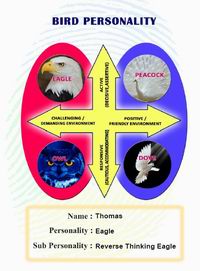
- Bird Personality : Dove
- Bird Personality : Mild Dove
- Bird Personality : Smart Dove
- Bird Personality : Brave Dove
- Bird Personality : Genius Dove
- Bird Personality : Wizard Dove
- Bird Personality : Reverse Thinking Dove
- Bird Personality : Changeable Dove
- Dove Personality in Relationships: How They Show Love