Owl Personality Type: Traits, Strengths, and Weaknesses
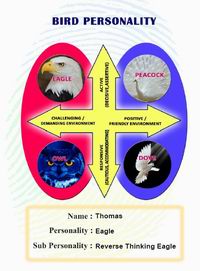
The Owl personality type, one of four types in the Dove-Owl-Peacock-Eagle (DOPE) framework, describes someone who leads with analysis, precision, and a need to understand the reasoning behind a decision before committing to it. Owls value accuracy and independence over speed or social approval, which makes them reliable but occasionally slow to act.
What Defines the Owl Personality Type
Owls are the analytical, detail-oriented type within the DOPE framework, built around careful thinking rather than quick instinct. They tend to ask why before how, prefer written information over verbal instructions, and feel most comfortable when a plan has been checked for flaws in advance. This is a self-reflection framework rather than a clinical category, and most people show some Owl traits even if another type dominates their DOPE test result.
Core Strengths of an Owl Personality
Owls bring precision, follow-through, and a low tolerance for sloppy reasoning, which makes them strong problem-solvers under pressure. They tend to research thoroughly before making decisions, catch errors that faster-moving types miss, and stay calm when a situation calls for analysis rather than emotional reassurance. In group settings, an Owl is often the person quietly fact-checking the plan everyone else agreed to too quickly.
Common Weaknesses and Blind Spots
The same caution that makes Owls reliable can tip into overanalysis, where a decision gets delayed past the point of usefulness. Owls sometimes come across as detached or overly critical, not because they lack warmth but because they process emotion more privately than expressively. Perfectionism is a frequent trap: an Owl may hold a project, or a difficult conversation, until it feels ready, which can read as avoidance to a partner or teammate who is waiting. Analysis paralysis shows up most often under time pressure, when an Owl who normally makes strong decisions suddenly wants one more data point, one more comparison, before committing to anything.
How Owls Show Up in Relationships
An Owl in a relationship tends to show love through consistency, thoughtful gestures, and remembering small details rather than constant verbal affirmation. They generally need processing time before discussing a conflict and can feel cornered by a partner who wants an immediate emotional response. This does not mean an Owl cares less. It usually means they need a beat to organize what they actually think before saying it out loud.
How Owls Operate at Work
At work, Owls are well suited to roles requiring accuracy, research, systems thinking, or quality control, and they often push back, respectfully, on decisions made without enough evidence. Managers sometimes misread an Owl's questions as resistance rather than due diligence. Giving an Owl employee time to review material before a meeting, rather than expecting instant answers, usually produces their best thinking. A short agenda sent a day ahead often gets a far better contribution from an Owl than the same question asked cold in the room.
How to Recognize an Owl in a Friendship
An Owl friend is rarely the one texting constantly, but they tend to be the one who remembers the specific detail you mentioned once, months ago, and brings it up at exactly the right moment. They show up reliably rather than dramatically: fewer grand gestures, more consistent follow-through on plans and small promises. Conflict with an Owl friend often surfaces as withdrawal rather than confrontation, since they would rather think through a disagreement alone before addressing it. Giving them a day before expecting a response usually gets a more thoughtful answer than pushing for one in the moment, and interpreting that pause as coldness rather than processing time is one of the most common ways an otherwise solid friendship gets strained over something small.
Not everyone who tests as an Owl fits every trait on this list, and that is fine. DOPE is a self-reflection tool, not a fixed box. If you recognize the analytical strengths here but not the social hesitance, or the reverse, that is a normal amount of overlap between types rather than a sign the test got it wrong.
This description is meant for self-reflection and workplace or relationship insight, not as a clinical assessment of personality or behavior.
Frequently Asked Questions
What does it mean to be an Owl personality type?
It means you tend to lead with analysis, caution, and a need for accurate information before making decisions, one of four types in the DOPE personality framework alongside Dove, Peacock, and Eagle.
Are Owl personality types introverted?
Many Owls lean introverted, but the type is really about thinking style rather than social energy, so an Owl can be more outgoing while still preferring evidence and precision over quick, instinctive calls.
What careers suit an Owl personality?
Roles that reward accuracy and independent analysis, such as research, engineering, accounting, editing, or quality assurance, tend to fit an Owl's natural strengths well.
Can an Owl personality become less critical of others over time?
Yes, usually by practicing feedback with the same care applied to analysis, and by naming the positive intent behind a critique so it lands as helpful rather than harsh.
How is the Owl type different from the Eagle type?
Eagles tend to lead with speed and decisiveness, while Owls lead with caution and verification, so an Eagle may decide first and check later, whereas an Owl checks first and decides once satisfied.
- Tips for Achieving a Good Work-Life Balance
- Toxic Relationship Signs Most People Ignore Until It's Too Late
- What is Minimizing and How to Stop Doing It
- Eating Habits and Affect to Your Mental Health
- Bad Habits in the Workplace: Breaking the Cycle for Success
- Improve Your Mental Health
- How to Deal with Workplace Stress