Early Bird or Night Owl? What That Says About Your Personality
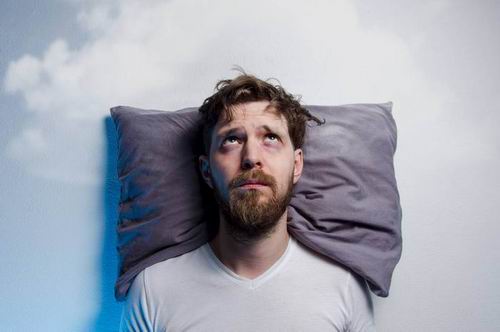
Being an early bird or a night owl mainly reflects chronotype, the body's preferred timing for sleep and alertness. It may have modest associations with habits and personality, but it does not define discipline, intelligence, or character. Work schedules, light, age, and health also shape sleep timing.
Chronotype is a body-clock preference
Chronotype describes when a person naturally feels sleepy and alert. Early types tend to wake and focus earlier; later types often become more alert in the evening. Most people fall between those descriptions, and a schedule imposed by school or work can hide natural preference. Chronotype is not the same as sleep quality or total sleep time.
What research can and cannot say
Studies sometimes find small links between timing and traits such as novelty seeking or regularity, but these associations do not predict an individual reliably. Culture, age, light exposure, employment, caregiving, and health influence both sleep and behavior. A chronotype label should guide scheduling experiments, not become a moral explanation for success or failure.
Early schedules and their advantages
Morning-oriented people may benefit when demanding work occurs early, especially if their environment is quiet then. They may also struggle with late social events or workplaces that reward evening availability. Strength does not mean universal fit. Protect enough sleep and avoid assuming that everyone can simply adopt the same wake time without biological or social costs.
Late schedules and common misunderstandings
Night owls are not necessarily lazy, undisciplined, or less productive. Some perform best later, while others remain awake late because of screens, anxiety, shift work, or delayed sleep. The key questions are whether sleep is restorative, whether obligations are met, and whether the timing causes distress. Moral criticism rarely improves circadian health.
How light moves the body clock
Light is one of the strongest timing signals. Morning outdoor light can shift some people earlier, while bright light late at night can delay sleep. Changes work best gradually and consistently. Dim the environment before bed, keep the bedroom suitable for sleep, and discuss light-based treatment with a clinician if you have a sleep disorder or take photosensitizing medication.
A two-week chronotype experiment
Track bedtime, estimated sleep onset, wake time, light exposure, caffeine, exercise, alertness, mood, and obligations. Notice when you feel naturally sleepy on free days, but do not interpret one weekend as proof. Use the record to move demanding tasks toward a reliable peak and identify habits that are creating artificial alertness at night.
Sleep quality matters more than identity
A person can be an early riser and sleep deprived, or a night owl with excellent restorative sleep. Aim for a regular opportunity for sufficient sleep, a comfortable environment, and a routine that can survive ordinary life. If you wake repeatedly, snore with gasping, or feel dangerously sleepy, timing is not the only issue to investigate.
Personality and energy management
Use the hours when you are most alert for work requiring judgment, creativity, or sustained attention when possible. Reserve routine tasks for lower-energy periods. This is energy management, not proof of a personality type. Also consider social energy: someone may prefer quiet mornings yet enjoy meaningful conversation later, or vice versa.
Caffeine, exercise, and evening habits
Caffeine can remain active for many hours, and late intense exercise or heavy meals affect some sleepers. Test one change at a time rather than adopting an impossible list. A predictable wind-down, lower evening light, and a morning anchor often provide more useful information than chasing a perfect sleep hack.
Workplaces and household differences
Partners, parents, roommates, and colleagues may have different rhythms. Agree on quiet hours, shared responsibilities, and realistic response expectations. A later person may need protected morning preparation; an earlier person may need evening flexibility. Respect improves when timing is discussed as a coordination problem rather than a character flaw.
When to seek a sleep assessment
Speak with a healthcare professional if insomnia persists, daytime sleepiness is dangerous, mood changes are severe, or your schedule prevents work and relationships from functioning. Sleep apnea, delayed sleep-wake phase disorder, depression, anxiety, medication effects, and other conditions can resemble a preference. Assessment is more useful than self-diagnosis.
Chronotype and changing life stages
Adolescents often shift later, while many adults become earlier with age. Parenthood, illness, travel, shift work, and changing light exposure can alter timing. A schedule that once suited you may stop working. Reassess compassionately and negotiate practical changes rather than defending an old identity.
A fair way to reflect
Ask when you are alert, how rested you feel, which demands conflict with your rhythm, and what small change is sustainable. Do not call yourself lazy or call someone else rigid based on a clock preference. The healthiest conclusion is flexible: work with biology where possible, protect sleep, and seek help when symptoms exceed ordinary variation.
Frequently asked questions
Is this an exact test or diagnosis?
No. It is an educational framework for noticing patterns and considering practical choices. A qualified professional is needed for assessment or treatment.
Can people change these patterns?
Yes. Skills, environments, relationships, and support can change how a tendency is expressed. Progress is measured through repeated behavior, not a perfect day.
What should I do first?
Choose one recent example, write down the observable facts, and identify one small action that protects wellbeing or improves communication.
When should I seek professional support?
Seek help when distress persists, daily functioning declines, or safety is uncertain. Urgent danger requires local emergency or crisis services.
- Bird Personality : Changeable Eagle
- The Impact of Codependency on Mental and Emotional Well-being and Relationships
- Achieve Peaceful Mind For a Better You
- Eagle Personality in Relationships: What to Expect
- Personality Traits and Their Link to Sleep Habits
- Parenting a Child With a Big, Bold Personality
- What Kind of Bird Matches Your Daily Habits?
- Bird Personality : Dove
- Bird Personality : Mild Dove
- Bird Personality : Smart Dove
- Bird Personality : Brave Dove
- Bird Personality : Genius Dove
- Bird Personality : Wizard Dove
- Bird Personality : Reverse Thinking Dove
- Bird Personality : Changeable Dove
- Dove Personality in Relationships: How They Show Love