What Kind of Bird Matches Your Daily Habits?
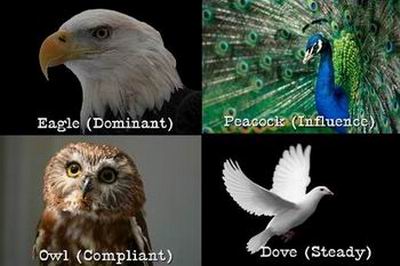
Your daily habits usually point to one of four bird-based personality patterns: Eagle if you move fast and decide quickly, Owl if you plan everything before acting, Dove if your day revolves around routine and other people, or Peacock if your habits shift with whoever and whatever is around you.
What does a typical Eagle-habit day look like?
Eagles tend to structure their day around efficiency, not comfort. They wake up with an agenda already half-formed, move through tasks quickly, and get visibly impatient with anything that drags. Meetings that could have been an email, slow lines, indecisive coworkers, all of it registers as friction to an Eagle. Their habits often include skipping steps other people consider necessary, like reading the full instructions, because they'd rather start and correct course than plan extensively first.
The tell isn't ambition, plenty of people are ambitious. It's the discomfort with slowness itself, even when slowness would produce a better result.
What does a typical Owl-habit day look like?
Owls build their day around information before action. They research before buying, read reviews before committing, and often have a system for things other people wing entirely, from grocery lists to how they organize their inbox. A defining habit is preferring to understand the “why” of a task, not just the instructions for doing it.
This can look like overthinking from the outside, and sometimes it is. But most Owls would rather spend twenty extra minutes upfront than redo something because they skipped a step. Their habits optimize for accuracy over speed, which is the opposite trade-off an Eagle makes.
What does a typical Dove-habit day look like?
Doves build their day around consistency and other people. Same coffee order, same route to work, same weekly call with a close friend. It's not a lack of imagination, it's that routine frees up mental space for the relationships that actually matter to them. A Dove's habits are often shaped by who they're checking in on, whose birthday is coming up, or who needs help this week, more than by their own personal agenda.
Doves are also the type most likely to keep a habit going out of loyalty to it, even a small one, long after other types would have abandoned it for something more efficient.
What does a typical Peacock-habit day look like?
Peacocks build their day around energy and people, and their habits shift depending on who's around. A Peacock working alone might procrastinate for hours, then get more done in the last thirty minutes with a deadline and an audience than most types manage all day. Their habits tend to be social by default: talking through a decision out loud, working better in a busy coffee shop than a quiet office, remembering tasks better when they've told someone about them.
Consistency is the real growth edge for this type, not motivation, since Peacocks rarely lack motivation. What they lack is a habit structure that survives a day without anyone watching.
What if your habits don't cleanly match one type?
Most people are a blend, with one type showing up more under normal conditions and a different one surfacing under stress or in specific settings, like being an Owl at work and a Dove at home. That's not a flaw in the framework, it reflects how personality actually plays out day to day rather than in a fixed, single-context box.
Try tracking just tomorrow. Notice how you make your first three decisions of the day, before caffeine and before anyone else's opinion has entered the picture. Do you act, plan, check in, or wait for the room's energy to tell you what to do? That early pattern is usually closer to your baseline than the version of yourself that shows up in a big meeting.
Frequently Asked Questions
What are the four bird personality types based on?
The Dove, Owl, Peacock, and Eagle framework, sometimes called the DOPE model, maps loosely onto behavioral tendencies similar to the DISC personality system, describing how people naturally approach pace, decision-making, and social energy in daily life.
Can my bird personality type change over time?
The underlying tendency tends to stay fairly stable, but which type shows up strongest can shift with context, stress, or life stage. Someone might lean Peacock in their twenties and settle into a stronger Owl or Dove pattern later, without it meaning their core personality changed entirely.
Is one bird type more successful than the others?
No single type has a monopoly on success. Eagles tend to thrive in fast-moving, decision-heavy roles, Owls in detail-driven or analytical work, Doves in relationship-centered roles, and Peacocks in anything that rewards energy and persuasion. Success depends more on fit than on which type you are.
How can I figure out my bird personality type quickly?
Pay attention to your default reaction under pressure, not your ideal self-image. The fastest signal is usually how you handle an unplanned interruption to your day: fix it immediately, research the best response, check in with someone else first, or adapt on the fly.
Can two people with different bird types work well together?
Often better than two people with the same type, since the styles tend to cover each other's blind spots. An Eagle and an Owl paired together usually move faster than an Owl alone and more carefully than an Eagle alone, as long as both respect the other's pace instead of fighting it.
This is meant as a lighthearted but genuinely useful self-reflection tool, not a scientific personality diagnosis. For a more detailed picture, take the full Bird Personality Test or the quicker DOPE Test to see which type your daily habits actually line up with.
- The Devastating Impact of Gaslighting on Personality
- Discovering the Link Between Low Self-Esteem, Lack of Self-Awareness, and Projection
- What is Schizoaffective Disorder?
- Signs Of Emotionally Abusive Parents
- How to Deal with Workplace Stress
- 6 Signs You Are Hypervigilant
- Signs Your Personality Type Isn't Suited for Your Current Job
- Bird Personality : Dove
- Bird Personality : Mild Dove
- Bird Personality : Smart Dove
- Bird Personality : Brave Dove
- Bird Personality : Genius Dove
- Bird Personality : Wizard Dove
- Bird Personality : Reverse Thinking Dove
- Bird Personality : Changeable Dove
- Dove Personality in Relationships: How They Show Love